Abundance is the foundation of a fulfilled and expansive life. It begins with the belief that there is enough, enough opportunity, enough love, enough time, and enough worth within you to claim what you need. When you live from abundance, you stop grasping or shrinking yourself to fit perceived limits. You allow yourself to receive, to ask, and to take up space without guilt. Scarcity breeds fear, comparison, and hesitation, but abundance nurtures trust and self-respect. Choosing an abundant mindset affirms that you are not in competition with life; you are in conversation with it. From that place, confidence grows naturally, because you know that setbacks do not diminish you and success is not a finite resource to be rationed.
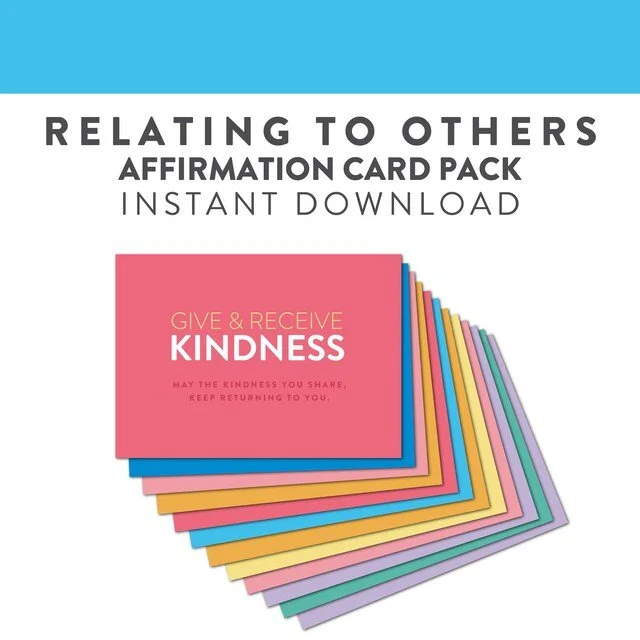
Read MoreRelating to others in a healthy way is incredibly important for our emotional well-being and personal growth. When we build relationships based on mutual respect, clear communication, and strong boundaries, we create safe and supportive connections that uplift us rather than drain us. Setting healthy boundaries allows us to protect our time, energy, and values, while also teaching others how we expect to be treated. This fosters self-respect and reinforces our confidence, because we’re standing up for ourselves in a calm and clear way. Healthy relationships also help us feel seen, heard, and valued, which boosts self-esteem and encourages emotional openness. By practicing honesty, empathy, and assertiveness, we develop deeper, more meaningful connections and avoid the stress and confusion that often come from unclear or toxic interactions. In the end, relating to others in a healthy way doesn’t just improve our relationships—it strengthens our sense of self and supports our overall happiness.
Read MoreTrue love is the foundation of a life fully lived. It is the force that binds us to others, grounds us in ourselves, and gives meaning to our days. True love asks for courage, the courage to open your heart, speak your truth, and show your authentic self, even when doing so leaves you vulnerable. It is unconditional, flowing freely without expectation, judgment, or limit.
Self-love (self-compassion) is the cornerstone that makes all other love possible. It is the patience to forgive yourself, the compassion to honor your needs, and the courage to set boundaries that protect your heart. When you love yourself unconditionally, you model for others the power of care, respect, and authenticity.
Read MoreOptimism is a mindset and belief system rooted in hope, the belief that positive outcomes are possible and that challenges can lead to growth. It shapes how you interpret experiences and guides the thoughts you create about yourself, others, and the future. When you hold an optimistic belief system, your mind naturally looks for solutions, opportunities, and meaning rather than dwelling on fear or defeat. Positive thoughts don’t appear by chance; they are formed through this underlying belief that things can improve and that your actions matter. Optimism doesn’t deny difficulty, it reframes it through the lens of possibility and resilience.
Read MoreAuthenticity is the practice of being in honest relationship with yourself. It means recognising what you feel, value, and need, and allowing those things to exist without editing or apology. When you live authentically, you stop measuring yourself against external expectations and start responding to your own inner compass. This creates a sense of grounded self-trust, because your choices come from who you are, not who you think you should be. Individuality isn’t something you perform; it’s something you allow. It shows up naturally when you give yourself permission to be real.
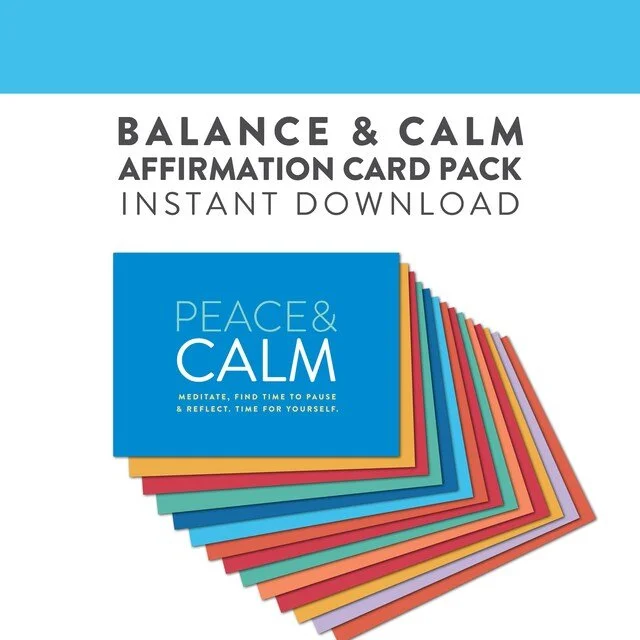
Read MoreBalance and calm are essential parts of a healthy and fulfilling life. When we have balance—between work and rest, activity and stillness, responsibilities and self-care—we’re better equipped to handle the demands of everyday life. It prevents burnout and helps us prioritize what truly matters. Calmness, on the other hand, gives us the space to slow down and connect with ourselves. In a calm state, our minds are clearer, our emotions more stable, and our reactions more thoughtful. Instead of feeling rushed or overwhelmed, we become more present and in control of how we respond to challenges.
Read MorePatience is the foundation of inner steadiness and meaningful growth. It takes intention to slow down, hold space for uncertainty, and trust the process, especially when doing so feels uncomfortable or goes against the urge to rush, react, or force outcomes. Without patience, it’s easy to fall into frustration, impulsive decisions, or self-criticism. But when you choose to be patient, you honor your rhythm, respect your limits, and give yourself room to evolve. Patience reinforces self-confidence by reminding you that progress doesn’t always need to be immediate and that you can move through challenges with calm persistence. It nurtures personal growth by allowing you to sit with discomfort, observe your emotions, and develop a deeper understanding of yourself. In practicing patience, you become more grounded, resilient, and capable of building a life aligned with intention rather than urgency.
Read MoreForgiveness is the gateway to emotional freedom and inner peace. It takes strength to release resentment, let go of old wounds, and free yourself from the weight of past hurts, especially when holding on can feel like a form of self-protection. Without forgiveness, negative emotions like anger, bitterness, and regret can linger, shaping your thoughts, draining your energy, and keeping you tied to experiences that no longer serve you. But when you choose to forgive, you reclaim your power. You affirm that your well-being matters more than past pain. Forgiveness nurtures emotional clarity by helping you move beyond old narratives and create space for healing, compassion, and renewal. It also accelerates personal growth, as it teaches you to face difficult emotions, understand your inner landscape, and open yourself to healthier relationships and deeper self-understanding. Through the practice of forgiveness, you become lighter, more grounded, and more capable of living a life guided by peace rather than pain.
Read MoreHolding onto negative emotions like anger, fear, resentment, or clinging to toxic relationships can quietly erode our well-being, even if we aren’t immediately aware of it. These emotions act like weights, anchoring us to past wounds and preventing us from fully experiencing the present. Anger and resentment, when nurtured over time, can distort our perception, fuel stress, and even manifest physically as tension, headaches, or weakened immunity. Fear limits our choices, stifling growth and keeping us trapped in patterns that no longer serve us. Toxic relationships amplify these effects, draining our energy, undermining our self-worth, and often reinforcing cycles of pain and disappointment. The longer we hold onto these burdens, the more they shape our reality, quietly dictating our reactions, decisions, and sense of inner peace.
Read MoreKindness is the heart of genuine connection and personal growth. It begins within, through the gentle choice to treat yourself with patience, care, and understanding, and radiates outward, touching everyone around you. When you lead with kindness, you create ripples of comfort and joy that extend far beyond what you can see.
Kindness reminds us that we all need tenderness, especially in moments of stress or uncertainty. A kind word, a soft tone, or a simple gesture can soothe someone’s heart, ease their burdens, and remind them that they are not alone. In this way, kindness becomes a quiet form of healing, it bridges divides, softens pain, and restores a sense of hope.
Read MoreWe often hear the phrase “Good luck!” tossed around before a big event, whether it’s a test, a job interview, or a first date, usually said with a hopeful smile. Most people think of luck as something random, a mysterious force that happens to favor some and overlook others. It feels like an external factor, completely out of our control. Because of this common perception, many wait passively for good fortune to come their way, believing that success is a matter of chance rather than choice.
Read MoreGratitude is a cornerstone of emotional well-being and personal growth. It takes intention to notice and appreciate the positive aspects of your life, even amidst challenges or setbacks. Without gratitude, it’s easy to focus on what’s missing, fostering dissatisfaction, comparison, or negativity. But when you practice gratitude, you shift your perspective to recognize abundance, strength, and opportunity in everyday moments. Gratitude enhances self-awareness by helping you notice the impact of your actions and the support of others, and it nurtures resilience by allowing you to find meaning even in difficult circumstances. It also deepens your relationships, as expressing appreciation strengthens connections and fosters mutual respect and kindness. Through consistent practice, gratitude cultivates a mindset of abundance, optimism, and empowerment, encouraging you to engage with life fully and intentionally.
Read MoreStarting a medication like Mounjaro can have wide-ranging effects not only on your physical health but also on your mental and emotional wellbeing. On the positive side, improved blood sugar control and weight changes may boost confidence, support a healthier self-image, and make it easier to adopt lifestyle changes. At the same time, the experience can bring challenges, such as adjusting to side effects, navigating shifting social dynamics, or managing the pressure to achieve results. Because of this, it’s important to look at how Mounjaro may influence your mindset, your sense of assertiveness, and your overall relationship with yourself, recognizing that its impact could be both empowering and demanding.
Read MoreBeauty is one of those things that everyone talks about but no one can quite define. What’s considered beautiful in one culture or era might not even be noticed in another, and the standards we see today are constantly shifting. Social media, trends, and outside opinions often try to tell us what beauty should look like, but the truth is, it’s always been subjective. When we buy into rigid definitions, it’s easy to fall into the trap of comparing ourselves, feeling less than, or chasing after an ideal that was never meant to be universal. But when we remind ourselves that beauty is personal, flexible, and shaped by perspective, it becomes a lot easier to appreciate what makes us, and others, unique.
Read MoreA growth mindset helps you believe that you can improve through effort, learning, and persistence. With this mindset, you see challenges as chances to grow, not as signs of failure. It helps you stay motivated, even when things get tough, and encourages you to keep trying, learn from mistakes, and never give up. A growth mindset builds your confidence, strengthens your problem-solving skills, and helps you bounce back from setbacks. These qualities foster persistence, the willingness to keep going despite difficulties, and resilience, the strength to learn from failure and come back stronger. Over time, this mindset builds self-discipline, confidence, and a passion for lifelong learning. Whether in school, work, or in personal pursuits, a growth mindset fosters determination not just to succeed, but to continually evolve and unlock your fullest potential.
Read MoreThe power of following your dreams lies in the way it transforms not just your future, but your entire sense of self. When you commit to pursuing what truly inspires you, life gains a deeper sense of purpose and direction. Your goals stop being distant fantasies and become guiding forces that shape your choices, fuel your resilience, and ignite your creativity. Even in the face of setbacks, the pull of your dreams gives you the determination to keep going and the courage to take risks you might otherwise avoid. Following your dreams is more than chasing success, it’s about honoring your passions, unlocking your potential, and creating a life that feels meaningful and fully your own.
Read MoreIn a growth mindset, competition is a powerful tool for self-improvement—not a way to prove superiority over others. It’s about challenging yourself to learn more, do better, and push beyond your current limits. This type of competition is fueled by curiosity and persistence rather than ego, so setbacks are seen as valuable lessons instead of failures. By focusing on your own progress, you remove the pressure of constant comparison and instead turn competition into a personal motivator. It becomes less about “beating” someone else and more about becoming the best version of yourself, step by step.
Read MoreCriticism can feel discouraging but with the right mindset, it becomes a powerful tool for growth. Instead of taking it personally, try to reframe criticism as feedback, an opportunity to learn and improve. By shifting your perspective from “I failed” to “I’m not there yet, but now I know what to work on,” you take back control of your growth journey. This mindset helps you separate your worth from your performance and see challenges as part of progress. When you use criticism as a guide rather than a judgment, you strengthen your resilience, sharpen your skills, and move closer to your goals with clarity and purpose.
Read MoreThe power of "yet" is a simple but transformative concept within a growth mindset. When we say, “I can’t do this yet,” we shift from a fixed mindset of limitation to one of possibility and progress. This single word opens the door to learning, resilience, and improvement. It acknowledges that while we may not have mastered a skill or concept now, with effort, persistence, and the right strategies, we can get there. Embracing yet fuels motivation, reduces fear of failure, and encourages a positive attitude toward challenges. In essence, yet turns setbacks into stepping stones and reinforces the belief that our abilities can grow with time and dedication.
Read MoreWednesday Addams may be known for her deadpan stare and morbid wit, but beneath the gothic exterior lies a masterclass in assertiveness. She doesn’t waste words, avoids unnecessary drama, and never bends her boundaries to please others proving that saying “no” can be an art form in itself. While her icy demeanor might read as a lack of empathy, her self-possession teaches an important lesson: you don’t need to raise your voice, over-explain, or compromise your values to be heard. In a world that often equates assertiveness with loudness, Wednesday shows that true strength can be quiet, deliberate, and unapologetically authentic.
Read More